A place where you can be exactly who you are
Maybe your child has started melting down over things that never used to bother her. Maybe your teenager has gone quiet and you can’t tell whether it’s normal or not. Maybe you’re the young adult here, holding more than you let on and wondering whether this counts as bad enough to see somebody about. All three of those are reasons to come in.
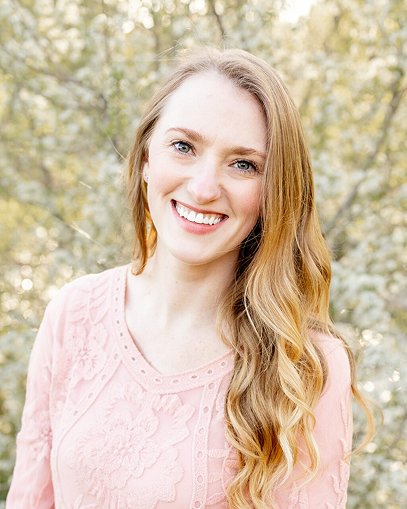
I work with kids as young as five, and with teens and adults of any age after that. For me, the relationship comes first. Before any technique does anything useful, you have to decide I’m safe and worth talking to. So I’m playful, I use humor, and I don’t take myself too seriously. My aim is a room where nobody has to perform a better version of themselves to be accepted in it.
With younger kids, a lot of that happens through play. Children often can’t put a feeling into a sentence, but they can show it in a game, a drawing, or the story they build. With teens and adults it looks more like conversation, and more like tools: noticing the thought that runs underneath the feeling, and practicing something to do with it. A lot of that work is about identity, too: figuring out who you are, what you value, and who you want to be, without having to sort it all out alone. I use play therapy, cognitive behavioral therapy and expressive arts, and I pick between them based on who’s sitting in front of me rather than the other way round.
Much of my training was with young people going through hard things. As a social work intern at the Utah County Children’s Justice Center I worked with children and teens who had experienced abuse. I’ve worked as a school-based therapist with Alpine School District, which is where you see what kids carry into a classroom. And I’ve volunteered with The Refuge’s response team, and with Encircle, supporting LGBTQ+ youth and young adults.
Outside of work, I crochet, do puzzles, bake, and keep a houseplant collection that has gotten a little out of hand.
If you’re not sure whether what you’re dealing with is big enough for therapy, that’s a good enough reason to reach out and ask.
What working together looks like
The first session is mostly getting to know each other. I’ll want to hear what brought you in, what’s already been tried, and what you’d like to be different. Nobody has to explain everything at once.
If it’s your child coming in, expect the early sessions to look like play, art or a game more than a conversation, and expect that to be the point rather than a warm-up to it. You’ll hear from me about what we’re working on and what helps at home, and sometimes I’ll invite you into a session so we can all work on it together.
If you’re a teen reading this: you’re not a problem your parents dropped off to get fixed. What you tell me stays between us, within a few limits I’ll explain at the start, and safety is the big one. If you’re the parent, that means you won’t hear everything that’s said in the room, but you won’t be left out either. We’ll talk about how things are going overall, and what your teen needs from you.
And if you’re an adult here on your own: you don’t have to be in crisis, and you don’t have to arrive with a tidy explanation. Wanting something to feel different is reason enough to book.
Education and credentials
- Master of Social Work (MSW), Utah Valley University, 2024
- Bachelor of Social Work (BSW), Utah Valley University, 2022
- Certified Social Worker (CSW), State of Utah, license #13483910-3502
- Social work intern, Utah County Children’s Justice Center, working with children and teens who had experienced abuse
- School-based therapist, Alpine School District
- Methods used: play therapy, cognitive behavioral therapy (CBT), expressive arts
- Volunteer, The Refuge response team
- Volunteer, Encircle, supporting LGBTQ+ youth and young adults
Focus areas and who I help
A focused set of areas I work in most. Where Redwood has a page on that kind of care, the area links to it.
- Children
- Teens
- Young Adults
- Adults
- Identity & Self-Exploration
Questions people ask before reaching out
Do you take insurance?
Redwood doesn’t bill insurance directly. We’re an out-of-network provider, which keeps you free to choose the therapist who’s the right fit and keeps the cost clear and known up front. Many plans do reimburse part of out-of-network care, and Redwood partners with Mentaya so you can check whether yours does.
Who do you work with?
Kids as young as five, teens, young adults and adults. There’s no upper age limit. People come to me about anxiety, low mood, identity and self-exploration, and big feelings that are hard to manage. With kids and teens, parents are part of the work too, and I’ll share what you can do to help between sessions.
What is play therapy, and why use it with kids?
Younger children often can’t explain what’s going on in the way an adult would, so we use play, art and other creative work as the way in. It isn’t a break from the therapy. It’s how the therapy happens at that age. What we’re working toward is the same: understanding the feeling, and finding something to do with it.
My teen doesn’t want to come. Is it still worth trying?
Very often, yes. A lot of teens aren’t sold on therapy at first, and my first job is being someone they don’t mind talking to. Humor helps. You don’t have to get them excited about it. Getting them through the door once is enough to start.
Will you tell me what my child says in session?
Therapy works better when a young person can speak freely, so I don’t report back on everything said in the room. Those limits aren’t absolute: anything to do with safety comes first, and there are situations I’m legally required to act on or share. I’ll walk both of you through exactly how that works in our first session, so nobody is surprised later.
I’m an adult coming on my own. Is that different?
Only in that nobody else is in the room. You decide what we work on, and you don’t need a parent involved unless you want one to be. Whatever you’re carrying, including the sense that everyone else got an instruction manual for this stage of life, is worth bringing in.
What happens in a first session?
Mostly getting to know each other: what brought you in, what’s been tried so far, and what you’d like to feel different. You can share at your own pace.
Ready when you are
Reaching out is often the hardest part. Send a message or give us a call and we’ll see if we’re a good fit. No pressure, and no need to have it all figured out first.
Schedule ConsultationCall or Text 801-341-1919