
We all have experiences that stick with us long after they’re over. But what do you do when you’ve worked hard to process a past trauma, but still feel it gripping you in the present.
You know logically that you’re safe now. You understand why that experience hurt. You’ve talked it through, put it behind you…. until certain reminders bring the fear, shame, sadness, anger, or tension rushing back. Even when a painful experience is technically “in the past,” it doesn’t always stay there.
There’s a reason for that. Trauma and painful experiences aren’t stored like ordinary memories. Sometimes they stay tangled up with strong emotions, physical responses, and beliefs about ourselves or the world. That doesn’t mean you’re weak. It means your nervous system is just working hard to protect you, exactly how it’s supposed to. And because this protection is an automatic response, we sometimes need methods and practices that teach our nervous system how to help us heal.
As therapists, we often recommend EMDR therapy for those who feel stuck, reactive, anxious, numb, or overwhelmed by past experiences or trauma. Let’s walk through what EMDR is, how it works, and what you can expect if you’re considering it.
What Is EMDR Therapy and How Does It Work?
Eye Movement Desensitization and Reprocessing, or EMDR, is a structured way to help people process distressing memories, trauma, and emotional triggers. EMDR doesn’t erase what happened, and it won’t ask you to pretend the experience wasn’t painful. Instead, it helps the brain and body work through painful material so it can feel less intense and less disruptive in daily life.
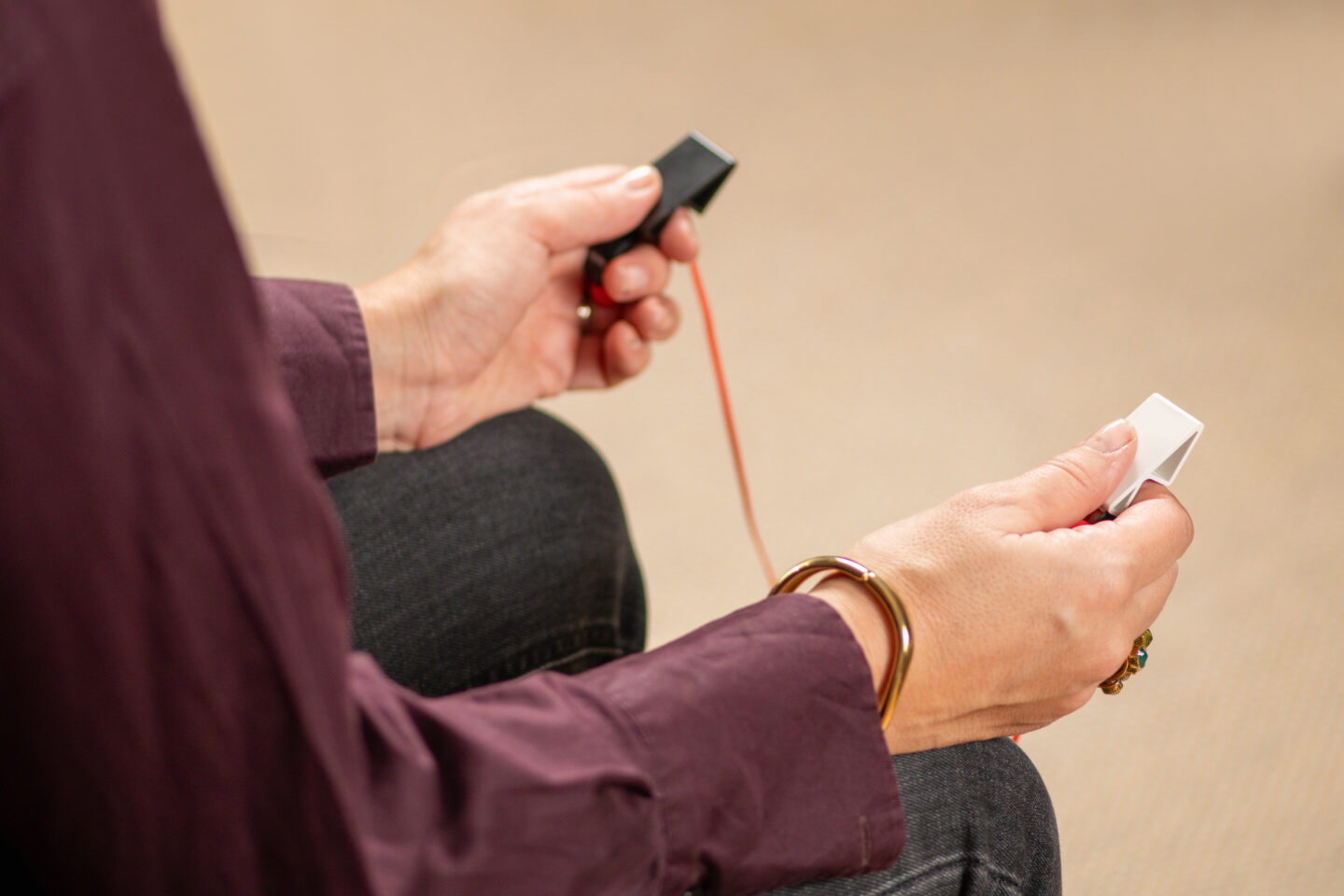
During an EMDR session, a trained therapist will help you focus on different points of a distressing memory while using a method called bilateral stimulation — usually guided eye movements, gentle tapping, or alternating sounds. That part can sound a little unusual at first, but rest assured, EMDR isn’t hypnosis, and it isn’t mind control. You stay awake, aware, and in control of your session.
The goal of EMDR isn’t to make you forget what happened. The goal is to help the memory feel different. Before EMDR, a memory can feel vivid and overwhelming, almost as if your body has returned to the exact moment of trauma and is reliving it. After this memory has been processed using EMDR, you’ll still remember what happened, but the memory often feels less intense — more clearly connected to the past instead of taking over the present.

What Happens in an EMDR Session?
Before starting, your therapist will want to understand what brings you in, what you’re hoping will change, and what memories or triggers may be affecting your life. They’ll also help you build tools for feeling grounded — things like breathing skills, calming imagery, or other ways to stay connected to the present. This step isn’t just a formality. It’s part of creating safety.
When you’re ready, you and your therapist will choose what to work on — a specific memory, a current trigger, a negative belief, or a physical response. Sometimes the starting point is obvious. Other times, it takes a while to understand what’s beneath the reaction. Someone might come in because they feel panicked during conflict, and over time realize that panic is tied to earlier experiences where conflict felt unsafe or overwhelming.
During the reprocessing itself, your therapist guides you through sets of bilateral stimulation while you focus on the difficult memory, trigger, or belief. You stay in control. You can pause, ask questions, or tell your therapist what you’re noticing. You don’t have to explain everything perfectly or force an insight. This exercise is simply meant to help you become aware of the shift in your thoughts, emotions, images, and sensations as the brain works through the material.
EMDR isn’t something done to you — it’s a process you move through together with your therapist. A good session also ends with support, helping you come back to the present and close things in a way that feels as steady as possible.
Over time, the distress tied to the memory can ease. Painful beliefs like “I’m not safe,” “It was my fault,” or “I’m powerless” may turn into “I’m safe now,” “I did the best I could,” or “I have choices.” Everyone’s experience is unique, and your therapist will thoughtfully and carefully help you process at your personal comfort level and speed.
Who Can Benefit from EMDR Therapy?
EMDR is best known as a therapy for trauma and PTSD, but it can also help when painful memories or past experiences keep affecting someone in the present. People often consider it when they’re dealing with:
- A memory that still feels sharp, vivid, or close
- A body reaction that feels bigger than the moment calls for
- Panic, anger, shame, or fear that shows up fast
- Avoiding people, places, conversations, or reminders
- Knowing something “in your head,” but still feeling stuck in your body
- Grief, fear, or shame that seems tied to something painful from the past
It may be worth asking a therapist about EMDR if you’re feeling hijacked by certain triggers, avoiding reminders of something that happened in the past, or understand something logically but still feel overwhelmed by fear, shame, or sadness. Many people try EMDR because they’re tired of having the same reaction over and over, frustrated that they can’t just “think their way out of it.” That frustration makes sense. Sometimes healing takes more than will power.
At the same time, EMDR isn’t right for every person at every moment. Some people need more preparation first, especially if they’re currently unsafe, easily overwhelmed, or don’t yet have enough support in place. A trained therapist can help you figure out whether this type of therapy is a good fit or if there’s a better, safer way to start.
EMDR Therapy at Redwood Family Therapy
At Redwood Family Therapy, we use EMDR carefully, at your pace, and only when it feels like the right fit. If you’re curious about EMDR, you don’t have to know exactly where to begin. You don’t have to have the perfect words for what happened. And you don’t have to decide on your own whether it’s the right fit. A therapist can help you understand your options and build a plan that feels supportive and manageable.
Before any EMDR work begins, your therapist will take time to understand what burdens you’re carrying, what helps you feel grounded, and what you need in order to feel safe in the room.
Our therapists support clients working through a variety of trauma, anxiety, depression, grief, relationship struggles, and other painful life experiences. And if in-person sessions aren’t feasible, we also offer virtual therapy for clients in Utah, Idaho, and Arizona.
When you’re ready, call or text Redwood Family Therapy at 801-341-1919. We’ll help you figure out whether EMDR might be a good fit — no pressure, no perfect explanation required.

Frequently Asked Questions About EMDR Therapy
What does EMDR stand for?
EMDR stands for Eye Movement Desensitization and Reprocessing. It’s a structured therapy approach that can help people process distressing or traumatic memories.
Is EMDR only for PTSD?
EMDR is best known as a therapy for trauma and PTSD, but therapists may also use it when distressing memories, emotional triggers, or past experiences are connected to anxiety, grief, shame, or other concerns.
Do I have to talk about every detail of my trauma?
Not necessarily. EMDR does involve bringing parts of a memory to mind, but you don’t always have to describe every detail out loud. Your therapist can help you move at a pace that feels manageable.
Is EMDR hypnosis?
No. EMDR isn’t hypnosis. You stay awake, aware, and in control.
How do I know if EMDR is right for me?
The best way to find out is to talk with a trained therapist. Call us for a free 15-minute consultation with one of our EMDR therapists to see if it is a good fit. EMDR may be a good fit if painful memories, trauma responses, or emotional triggers keep affecting your daily life, relationships, or sense of safety.
Will EMDR make me relive everything?
No. EMDR does involve bringing parts of a memory to mind, but your therapist should help you stay connected to the present. You can pause, slow down, or stop. The goal is not to overwhelm you. The goal is to help your brain and body work through the memory in a safer, more supported way.
How many EMDR sessions will I need?
There isn’t one timeline. Some people notice relief in a shorter period of time. Others need more preparation and more sessions, especially if the trauma was repeated, happened early in life, or connects to several parts of life now. Your therapist can help you understand what pace makes sense for you.